Compare Local Contractors for Antique Furniture Refinishing Services
Compare local contractors for antique furniture refinishing to define project scope, verify experience, and set clear expectations for a successful outcome.
Antique furniture refinishing encompasses a range of services aimed at restoring and enhancing the beauty of historic or vintage pieces. This work typically involves stripping old finishes, repairing damaged wood, and applying new coatings that preserve the piece’s original character. Skilled contractors may also focus on matching the original stain or finish, ensuring that the antique maintains its authentic appearance. Proper refinishing not only improves aesthetics but can also extend the lifespan of valuable furniture, making it a worthwhile investment for property owners seeking to preserve their heritage pieces.
Clearly defining the scope of the refinishing project is essential to achieving satisfactory results. Property owners should specify the extent of work needed, such as whether the focus is on surface restoration, structural repairs, or complete refinishing. Outlining details like the desired finish style, color, and level of preservation helps ensure that contractors understand expectations upfront. A well-defined scope reduces the risk of misunderstandings, facilitates accurate communication, and provides a basis for comparing different service providers’ expertise and approaches.
When evaluating local contractors for antique furniture refinishing, property owners should consider several practical factors. It’s helpful to verify each contractor’s experience with similar projects, especially those involving antique or delicate pieces. Comparing the services offered and requesting detailed written descriptions of the scope can clarify what is included in each proposal. Additionally, seeking references or examples of past work can provide insight into the contractor’s skill and reliability. Focusing on these aspects enables property owners to make informed decisions and choose service providers capable of respecting the unique qualities of their antique furniture.
Compare local contractors by outlining project priorities, verifying experience, and setting clear expectations in writing.
- Define the Scope of Work - clearly outline the refinishing tasks to ensure all parties understand project expectations.
- Verify Experience and Expertise - confirm that service providers have relevant background in antique furniture refinishing.
- Compare Local Contractors - evaluate different service providers based on their skills, reputation, and previous work.
- Document Agreements in Writing - establish detailed, written agreements to set expectations and prevent misunderstandings.

Clearly describe your antique furniture refinishing project to effectively compare local contractors, verify experience, and set expectations in writing.
- Verify experience specifically in antique furniture refinishing to ensure familiarity with traditional techniques and finishes. - Consider how well the contractor understands preserving the piece's historical integrity and unique characteristics.
- Compare scope of work details to ensure all desired refinishing aspects, such as stripping, sanding, and finishing, are clearly outlined. - Clarify what services are included and confirm there are no gaps in the project plan.
- Check references or reviews to assess the quality of previous antique furniture refinishing projects handled by the contractor. - Look for feedback related to craftsmanship, attention to detail, and respect for antique preservation.
- Ensure the contractor provides a detailed written estimate that specifies materials, techniques, and scope of work. - A comprehensive scope helps set clear expectations and avoid misunderstandings.
- Discuss and document any special requirements for the antique piece, such as maintaining original finishes or using specific stains. - Clear communication about expectations helps ensure the refinishing aligns with the piece’s value and character.
- Confirm that the contractor has appropriate experience working with various wood types and finishes typical of antique furniture. - This helps ensure proper handling and finishing techniques tailored to the piece's materials.
Use this to compare local contractors, clarify project scope, verify experience, and set clear expectations.

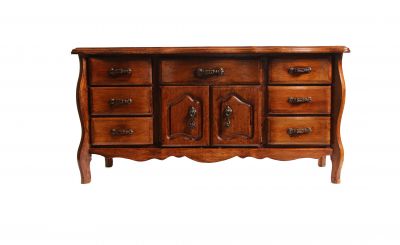

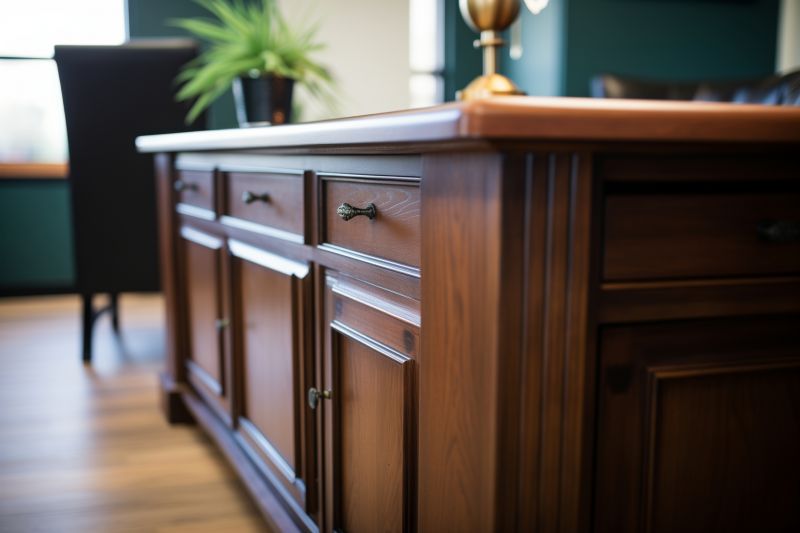
Use consistent scope definitions to compare local contractors' experience and set clear expectations for antique furniture refinishing.
- Experience and expertise - Verify the contractor’s background in antique furniture refinishing to ensure familiarity with traditional techniques and finishes.
- Scope of work - Clearly define the specific services needed, such as stripping, repairing, staining, or sealing, to match the furniture’s requirements.
- Materials and finishes - Confirm the types of products and finishes the service providers plan to use to ensure compatibility with antique pieces.
- Work process and methods - Discuss the techniques and steps the contractors will follow to assess their approach and attention to detail.
- Written agreement - Ensure all project details, including scope, materials, and expectations, are documented in a formal agreement before work begins.
When comparing contractors for antique furniture refinishing, it’s important to consider their experience with similar projects. Homeowners should inquire about the types of antique furniture the service providers have worked on and ask for examples of past work that demonstrate their familiarity with traditional finishing techniques and delicate restoration methods. A contractor’s history of handling antique pieces can provide insight into their skill level and understanding of preserving the integrity and value of such furniture.
A clear, written scope of work is essential to ensure expectations are aligned before any work begins. Homeowners should seek detailed descriptions of the refinishing process, including the types of finishes used, the steps involved, and any specific treatments tailored to antique furniture. Having this information in writing helps prevent misunderstandings and provides a reference point for evaluating whether the contractor’s approach matches the homeowner’s goals for the piece.
Verification basics are key when assessing potential service providers. Homeowners can ask for references or reviews from previous clients who had similar antique furniture refinished. Additionally, verifying that the contractor has a thorough understanding of antique furniture care and restoration techniques can be achieved through detailed discussions about their process and experience. This helps ensure that the contractor has the necessary background to handle the unique challenges associated with antique pieces.
Evaluating options without focusing on prices involves examining how well each contractor’s experience, scope of work, and communication align with the project’s needs. Homeowners should compare written scopes for clarity, ask about their approach to preserving antique value, and consider the professionalism of the responses. By focusing on these aspects, it becomes easier to identify service providers capable of delivering quality refinishing work that respects the character and history of antique furniture.
Ask contractors to provide written scope of work to ensure clear expectations and consistent project details.
- Experience and Specialization - What specific experience do the contractors have with antique furniture refinishing?
- Scope of Work - How do the contractors define and document the scope of the refinishing project?
- Materials and Techniques - What materials and finishing techniques do the service providers typically use for antique pieces?
- Project Expectations - How do contractors communicate project details and set clear expectations in writing?
- Comparison Criteria - What criteria should be used to compare and evaluate different service providers' expertise and approach?
How can I find qualified contractors for antique furniture refinishing? To find reputable contractors, compare local service providers based on their experience, reviews, and portfolio of past work. It's helpful to verify their expertise in antique furniture to ensure quality results.
What should I consider when defining the scope of my furniture refinishing project? Clearly outline the specific pieces, finishes, and restoration details you want. Providing detailed information helps contractors understand your expectations and deliver accurate proposals.
How can I verify a contractor's experience with antique furniture? Review their previous work, ask for references, and look for specialized experience in antique furniture restoration. This can help ensure they are familiar with delicate and historic pieces.
What is the importance of having the project details in writing? Having the scope, materials, and expectations documented helps prevent misunderstandings and provides a clear basis for the work to be performed.
How do I compare different contractors for antique furniture refinishing? Evaluate their experience, communication clarity, and the quality of their previous work. Gathering multiple proposals allows for better comparison of approach and professionalism.
What questions should I ask a contractor before hiring for antique furniture refinishing? Inquire about their experience with similar projects, the techniques they use, and how they handle delicate or valuable pieces to ensure they meet your needs.
By exploring available local contractors for antique furniture refinishing, visitors can gain a clearer understanding of how to define the scope of their project, verify each service provider’s experience, and set clear expectations through written agreements. This approach helps ensure that selections are informed and tailored to specific needs, making it easier to compare options effectively.
Utilizing the quote form allows visitors to gather information and compare different service providers in their area without obligation. It provides a straightforward way to connect with experienced contractors who can handle antique furniture refinishing, supporting a well-informed decision-making process based on individual project requirements.